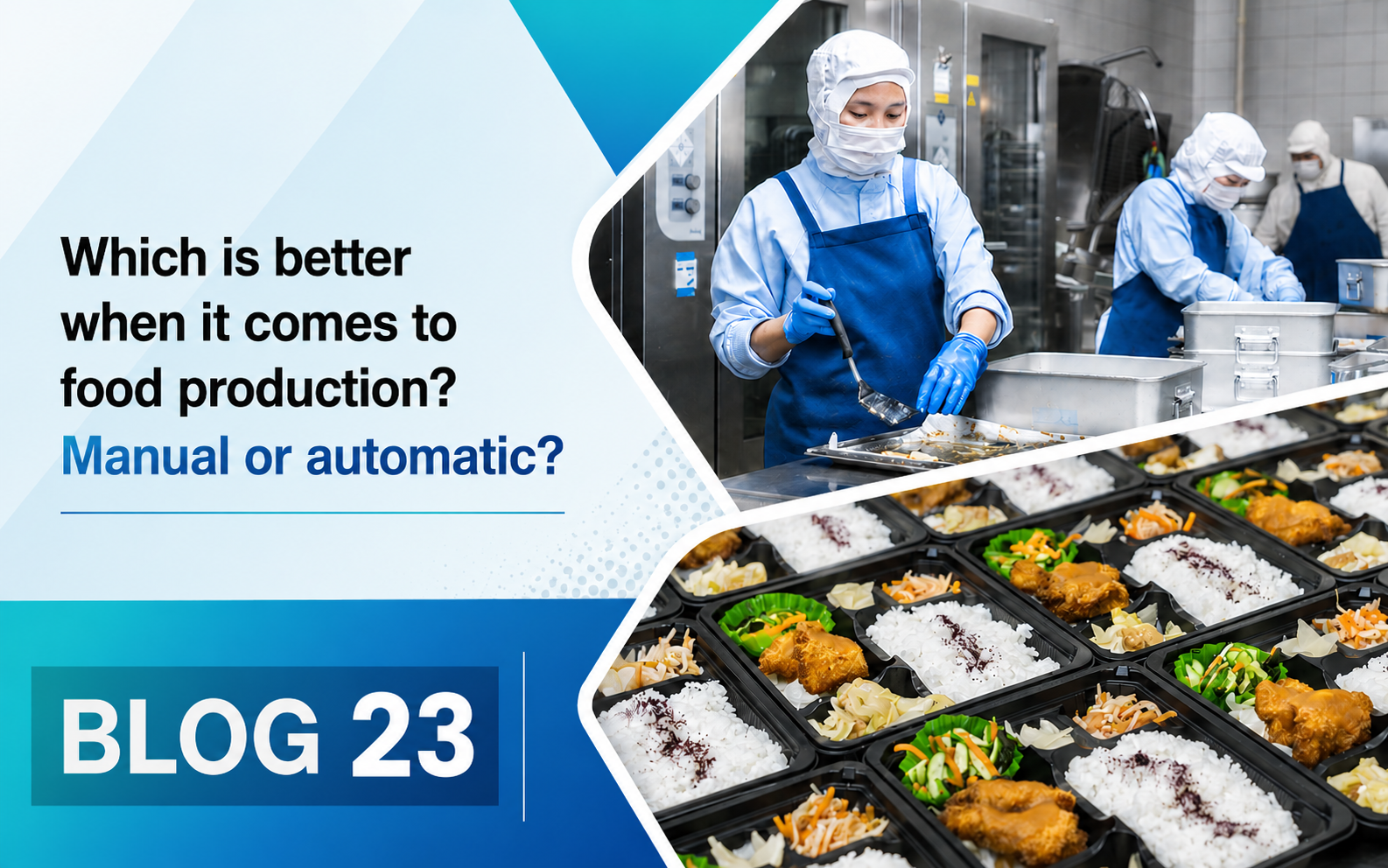
[Blog#23] Manual or Automatic: Finding Balance in Modern Food Production
Is every improvement truly progress?
Some argue that the improvements we believe in may be new problems emerging in disguise.
However, some also counter that manual labour is no longer sufficient to keep up with the increasing market demands.
In today's era of rapid technological advancement, many corporations and factories are now turning toward solutions of pure convenience and efficiency. The trending discourses on the extensive use of AI and automated machines continue to raise an important concern: If humans are replaced with machines, then where does that leave the workers who depend on these jobs?
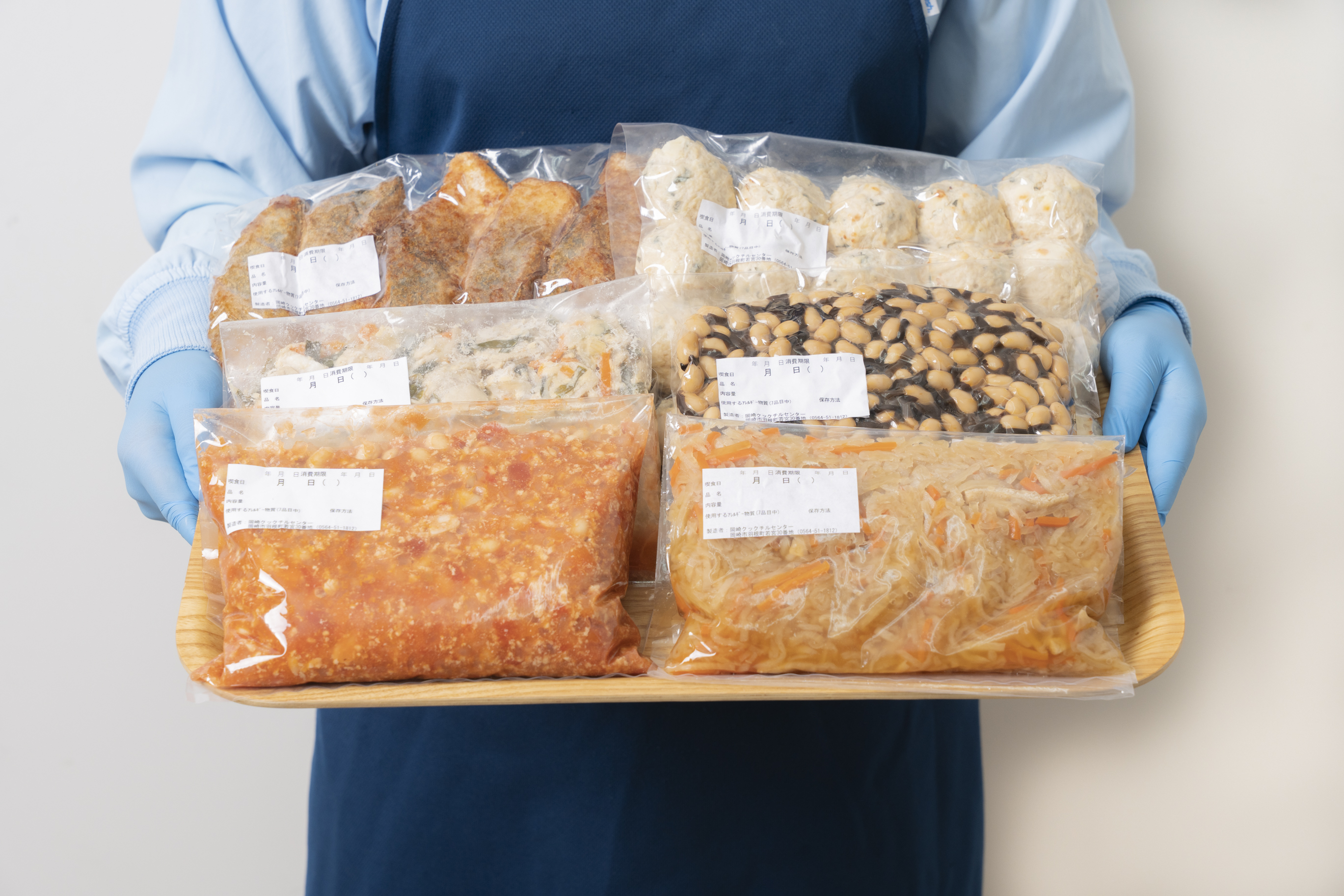
For factories and corporations involved in mass production, fully automated systems may appear to be the most practical solution. They improve efficiency while helping businesses meet increasing market demands. However, this reality has also begun extending even into central kitchens, where food preparation has become less about the craft itself, but more about how fast it can be done. As demand for frozen foods and ready-to-eat meals continues to grow, many central kitchens are now automating simple tasks such as cutting vegetables, slicing meat, stirring and deep-frying foods, packing meal trays and more.
Meanwhile, there are those who would prefer preparing meals by hand — using large pots and pans over stoves, slicing and dicing the ingredients themselves, assembling each meal manually, etc. Even so, they might feel tired from having to move heavy cookware around, tilting pots to scoop out the last portions, cleaning them after use. There is also the constant risk of burns and injuries during cooking operations. Moreover, management must consider challenges such as labour shortage, production efficiency, and batch consistency. But can these operational demands truly be met without introducing automation?
Ultimately, this is not an argument about whether automation or manual is better. It can be agreed that labour shortages and large-scale production systems require automation, while certain operations and products still rely heavily on human skill and craftsmanship.
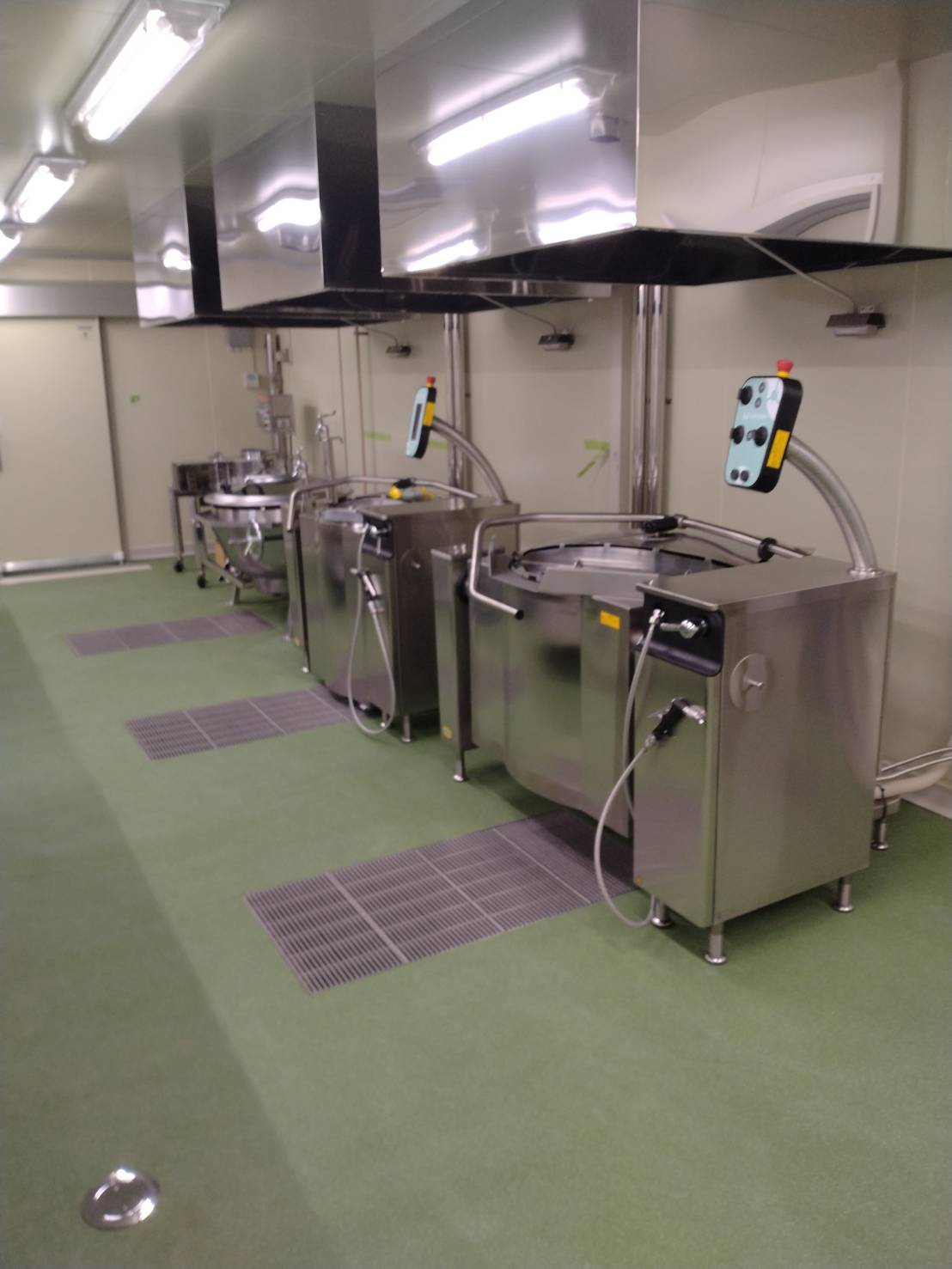
Instead of making the process completely manual or automated, equipment such as steam kettles and gas tilting kettles provide a practical balance by improving efficiency, safety, and workflow while still preserving the role of human skill and judgement in cooking. The kettles not only improve safety and efficiency by allowing larger batches to be cooked more conveniently, but also give cooks direct control over flavour, texture, and the cooking process. At Hattori, we strongly believe that technology should assist humans in their craftsmanship and journey toward perfect taste, not remove them from it. This is our company philosophy— to connect people through food, just as food connects us all.
Is every improvement truly progress?
Some argue that the improvements we believe in may be new problems emerging in disguise.
However, some also counter that manual labour is no longer sufficient to keep up with the increasing market demands.
In today's era of rapid technological advancement, many corporations and factories are now turning toward solutions of pure convenience and efficiency. The trending discourses on the extensive use of AI and automated machines continue to raise an important concern: If humans are replaced with machines, then where does that leave the workers who depend on these jobs?
For factories and corporations involved in mass production, fully automated systems may appear to be the most practical solution. They improve efficiency while helping businesses meet increasing market demands. However, this reality has also begun extending even into central kitchens, where food preparation has become less about the craft itself, but more about how fast it can be done. As demand for frozen foods and ready-to-eat meals continues to grow, many central kitchens are now automating simple tasks such as cutting vegetables, slicing meat, stirring and deep-frying foods, packing meal trays and more.
Meanwhile, there are those who would prefer preparing meals by hand — using large pots and pans over stoves, slicing and dicing the ingredients themselves, assembling each meal manually, etc. Even so, they might feel tired from having to move heavy cookware around, tilting pots to scoop out the last portions, cleaning them after use. There is also the constant risk of burns and injuries during cooking operations. Moreover, management must consider challenges such as labour shortage, production efficiency, and batch consistency. But can these operational demands truly be met without introducing automation?
Ultimately, this is not an argument about whether automation or manual is better. It can be agreed that labour shortages and large-scale production systems require automation, while certain operations and products still rely heavily on human skill and craftsmanship.
Instead of making the process completely manual or automated, equipment such as steam kettles and gas tilting kettles provide a practical balance by improving efficiency, safety, and workflow while still preserving the role of human skill and judgement in cooking. The kettles not only improve safety and efficiency by allowing larger batches to be cooked more conveniently, but also give cooks direct control over flavour, texture, and the cooking process. At Hattori, we strongly believe that technology should assist humans in their craftsmanship and journey toward perfect taste, not remove them from it. This is our company philosophy— to connect people through food, just as food connects us all.