.png)
Have you ever wondered what happens after placing an order with an overseas manufacturer?
Imagine you're a restaurant owner or food business owner looking to upgrade your kitchen equipment. You come across Hattori Kogyo K.K., a Japanese manufacturer of commercial kitchen equipment, and decide to inquire about one of our products.
During the inquiry process, we might ask: "Which shipping term, or Incoterm, would you prefer?"
You might wonder: What does that mean? Am I responsible for arranging transportation? Who pays for shipping? And what happens when the goods arrive in my country?
Importing can seem confusing, especially if you have little or no prior experience. This guide is for those considering purchasing directly from us but are unsure how to navigate the logistics involved.
1. Understanding Incoterms
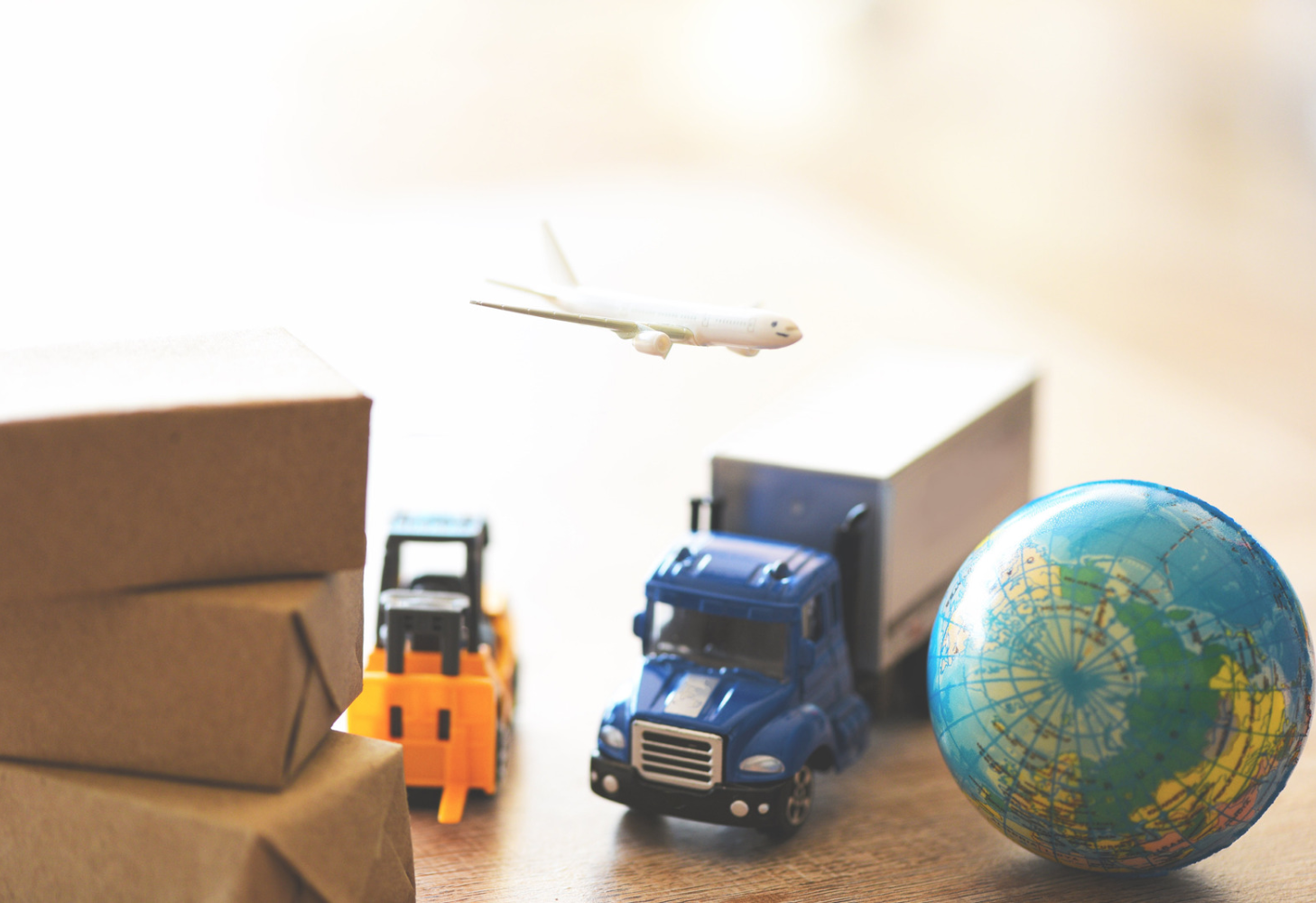
Incoterms® (International Commercial Terms) are a set of internationally recognised rules published by the International Chamber of Commerce (ICC). They define the responsibilities of buyers and sellers in international trade, particularly regarding the delivery of goods, transportation costs and the transfer of risk.
They help answer three important questions:
Here are three commonly encountered Incoterms:
1. EXW – Ex Works
The buyer handles almost everything.
Imagine we tell you: "Your deck rice cooker is ready at our factory in Japan. You can arrange for someone to collect it."
Seller: Prepares the goods and makes them available at their premises.
Buyer: Arranges collection, transportation, export and import clearance, and other logistics.
Essentially, you are responsible for arranging transportation from our factory to your destination. You also take on most of the responsibilities and risks from the point the goods are made available for collection.
2. CIF – Cost, Insurance and Freight
The seller pays for sea freight and insurance to the destination port.
Imagine we tell you: "We will arrange and pay for shipping and insurance until your rice cooker reaches the agreed destination port."
Seller: Pays for sea freight and arranges insurance to the agreed destination port.
Buyer: Bears the risk once the goods are loaded onto the vessel in Japan and handles import customs clearance, duties and other applicable charges.
CIF is similar to CFR (Cost and Freight), except that the seller must also arrange insurance under CIF. The standard insurance requirement under CIF is minimum cover unless otherwise agreed.
An important point to remember is that although the seller pays for transportation and insurance to the destination port, the risk transfers to the buyer once the goods are loaded onto the vessel at the port of shipment.
3. DDP – Delivered Duty Paid
The seller handles almost everything.
Imagine we tell you: "We will arrange transportation, import customs clearance and import duties. You just need to receive your rice cooker at the agreed destination."
Seller: Handles transportation, export and import clearance, and import duties and taxes.
Buyer: Receives and unloads the goods at the agreed destination.
2. FCL vs LCL, Sea Freight vs Air Freight
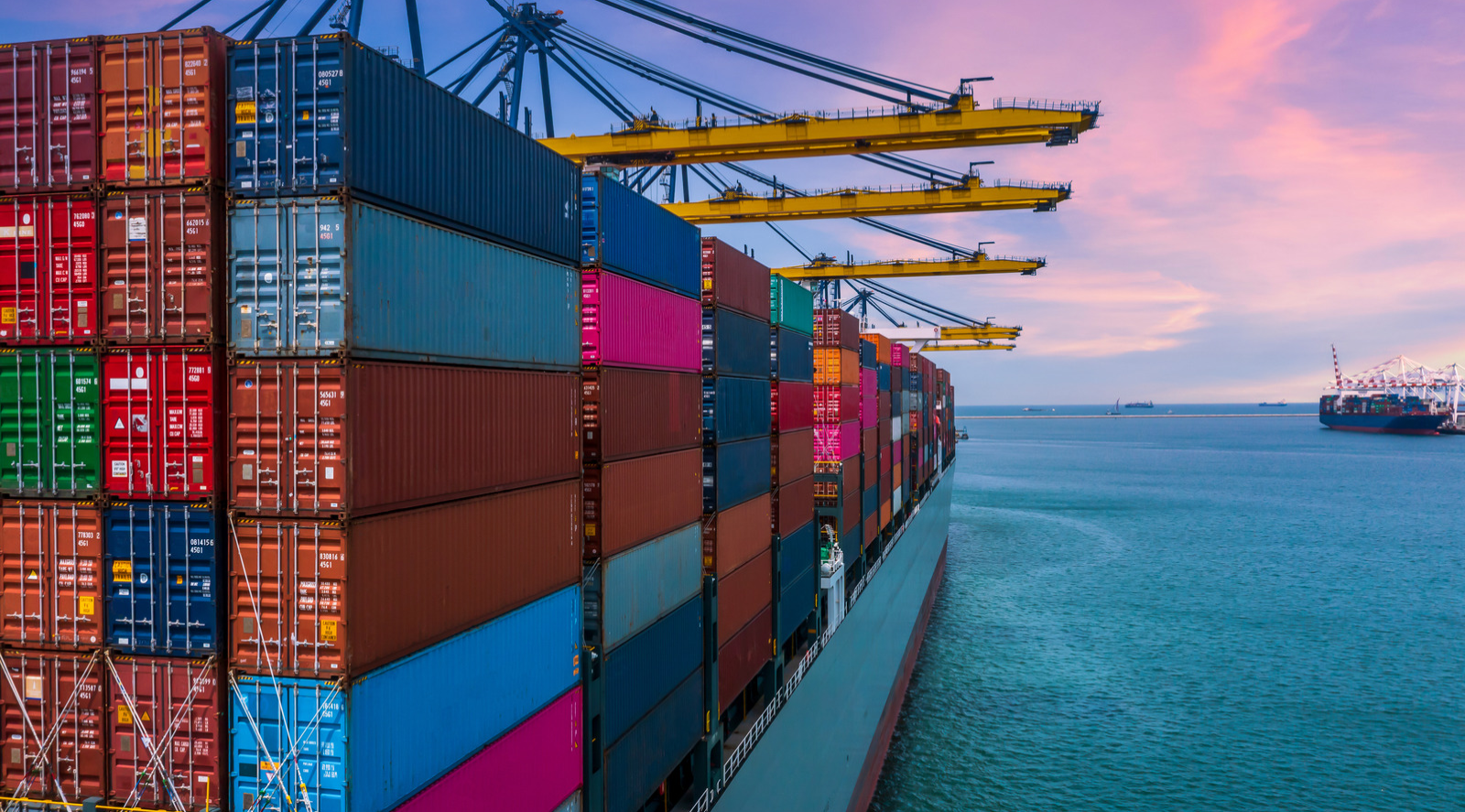
When importing goods, you also need to consider how they will be transported. Two important factors are the shipment size and the mode of transportation.
FCL vs LCL
These terms describe how you use a shipping container.
FCL (Full Container Load): You book an entire container for your goods, even if you do not fill it completely. This is generally suitable for larger shipments.
LCL (Less than Container Load): You share container space with other businesses. This is useful when you have a smaller shipment and do not need an entire container.
Think of FCL as renting an entire bus, while LCL is sharing a bus with other passengers!
Sea Freight vs Air Freight
These terms describe how your goods travel.
Sea Freight: Goods are transported by cargo ship. It is generally more economical, particularly for larger shipments, but takes longer.
Air Freight: Goods are transported by cargo aircraft. It is faster but usually more expensive.
If you have a large shipment and are not in a hurry, sea freight is often a good choice. If you have a smaller shipment or need your goods urgently, air freight may be more suitable.
If you're purchasing only one or two units, your freight forwarder can help recommend the most practical shipping arrangement based on your shipment size, destination and budget.
3. Customs Clearance and Essential Shipping Documents

Before imported goods can enter your country, they must pass through customs.
Customs authorities check whether imported goods comply with local regulations, whether the correct duties and taxes have been paid, and whether any special permits or certificates are required.
What Is Customs Clearance?
Think of customs clearance as an airport security check, but for imported goods!
Customs authorities may examine:
What Documents Do You Need?
Here are some common documents required when importing goods:
Commercial Invoice: Issued by the seller, showing the products purchased, quantities, prices and total value.
Packing List: Describes how the goods are packed, including the number of packages, contents, weight and dimensions.
Bill of Lading (B/L): A document issued by the shipping carrier for sea freight. It serves as a receipt for the goods and provides important shipment details.
Air Waybill (AWB): A transport document used for air freight, containing important shipment and transportation information.
Certificate of Origin (COO): Identifies the country where the goods were manufactured or produced. It may be required to determine applicable import duties or qualify for preferential trade agreements.
Depending on your destination country and the type of products being imported, additional documents or certificates may also be required.
Who Handles Customs Clearance?
You do not necessarily have to manage everything yourself!
Depending on the agreed Incoterms, customs clearance may be the responsibility of the buyer or seller. You can also hire a customs broker or freight forwarder to assist with documentation and the clearance process.
Important Tip: Missing or incorrect documents can delay your shipment and result in additional costs. Always check your country's import requirements before placing an overseas order.
You should also consider other potential import-related expenses, such as port handling charges, customs broker fees, inland transportation and storage charges. These costs vary depending on your destination and shipping arrangement.
Final Thoughts
Importing commercial kitchen equipment does not have to be complicated. Understanding the basic shipping terms, transportation options and customs procedures can help you make more informed purchasing decisions.
Of course, import procedures, documentation requirements and applicable taxes vary from country to country. The information in this guide is intended for general educational purposes and should not replace professional customs or freight advice.
If you are considering purchasing commercial kitchen equipment directly from Hattori Kogyo but are unsure about the shipping arrangements, feel free to contact us.
We would be happy to discuss your requirements and help you explore the available shipping options!
Imagine you're a restaurant owner or food business owner looking to upgrade your kitchen equipment. You come across Hattori Kogyo K.K., a Japanese manufacturer of commercial kitchen equipment, and decide to inquire about one of our products.
During the inquiry process, we might ask: "Which shipping term, or Incoterm, would you prefer?"
You might wonder: What does that mean? Am I responsible for arranging transportation? Who pays for shipping? And what happens when the goods arrive in my country?
Importing can seem confusing, especially if you have little or no prior experience. This guide is for those considering purchasing directly from us but are unsure how to navigate the logistics involved.
1. Understanding Incoterms
Incoterms® (International Commercial Terms) are a set of internationally recognised rules published by the International Chamber of Commerce (ICC). They define the responsibilities of buyers and sellers in international trade, particularly regarding the delivery of goods, transportation costs and the transfer of risk.
They help answer three important questions:
- Who pays for transportation and other related costs?
- Who is responsible for the goods during transportation?
- At what point does the risk transfer from the seller to the buyer?
Here are three commonly encountered Incoterms:
1. EXW – Ex Works
The buyer handles almost everything.
Imagine we tell you: "Your deck rice cooker is ready at our factory in Japan. You can arrange for someone to collect it."
Seller: Prepares the goods and makes them available at their premises.
Buyer: Arranges collection, transportation, export and import clearance, and other logistics.
Essentially, you are responsible for arranging transportation from our factory to your destination. You also take on most of the responsibilities and risks from the point the goods are made available for collection.
2. CIF – Cost, Insurance and Freight
The seller pays for sea freight and insurance to the destination port.
Imagine we tell you: "We will arrange and pay for shipping and insurance until your rice cooker reaches the agreed destination port."
Seller: Pays for sea freight and arranges insurance to the agreed destination port.
Buyer: Bears the risk once the goods are loaded onto the vessel in Japan and handles import customs clearance, duties and other applicable charges.
CIF is similar to CFR (Cost and Freight), except that the seller must also arrange insurance under CIF. The standard insurance requirement under CIF is minimum cover unless otherwise agreed.
An important point to remember is that although the seller pays for transportation and insurance to the destination port, the risk transfers to the buyer once the goods are loaded onto the vessel at the port of shipment.
3. DDP – Delivered Duty Paid
The seller handles almost everything.
Imagine we tell you: "We will arrange transportation, import customs clearance and import duties. You just need to receive your rice cooker at the agreed destination."
Seller: Handles transportation, export and import clearance, and import duties and taxes.
Buyer: Receives and unloads the goods at the agreed destination.
DDP is one of the most convenient shipping arrangements for buyers, as the seller assumes most of the logistical responsibilities, including import customs clearance and payment of duties. DAP (Delivered at Place) is similar to DDP, except that the buyer is responsible for handling import customs clearance and paying the applicable duties and taxes.
There are 11 Incoterms® rules in total. The 3 examples above are just some of the terms you may encounter when importing goods.2. FCL vs LCL, Sea Freight vs Air Freight
When importing goods, you also need to consider how they will be transported. Two important factors are the shipment size and the mode of transportation.
FCL vs LCL
These terms describe how you use a shipping container.
FCL (Full Container Load): You book an entire container for your goods, even if you do not fill it completely. This is generally suitable for larger shipments.
LCL (Less than Container Load): You share container space with other businesses. This is useful when you have a smaller shipment and do not need an entire container.
Think of FCL as renting an entire bus, while LCL is sharing a bus with other passengers!
Sea Freight vs Air Freight
These terms describe how your goods travel.
Sea Freight: Goods are transported by cargo ship. It is generally more economical, particularly for larger shipments, but takes longer.
Air Freight: Goods are transported by cargo aircraft. It is faster but usually more expensive.
If you have a large shipment and are not in a hurry, sea freight is often a good choice. If you have a smaller shipment or need your goods urgently, air freight may be more suitable.
If you're purchasing only one or two units, your freight forwarder can help recommend the most practical shipping arrangement based on your shipment size, destination and budget.
3. Customs Clearance and Essential Shipping Documents
Before imported goods can enter your country, they must pass through customs.
Customs authorities check whether imported goods comply with local regulations, whether the correct duties and taxes have been paid, and whether any special permits or certificates are required.
What Is Customs Clearance?
Think of customs clearance as an airport security check, but for imported goods!
Customs authorities may examine:
- The type of products you are importing
- The quantity and declared value of the goods
- Their country of origin
- Applicable import duties and taxes
- Whether special permits or certificates are required
What Documents Do You Need?
Here are some common documents required when importing goods:
Commercial Invoice: Issued by the seller, showing the products purchased, quantities, prices and total value.
Packing List: Describes how the goods are packed, including the number of packages, contents, weight and dimensions.
Bill of Lading (B/L): A document issued by the shipping carrier for sea freight. It serves as a receipt for the goods and provides important shipment details.
Air Waybill (AWB): A transport document used for air freight, containing important shipment and transportation information.
Certificate of Origin (COO): Identifies the country where the goods were manufactured or produced. It may be required to determine applicable import duties or qualify for preferential trade agreements.
Depending on your destination country and the type of products being imported, additional documents or certificates may also be required.
Who Handles Customs Clearance?
You do not necessarily have to manage everything yourself!
Depending on the agreed Incoterms, customs clearance may be the responsibility of the buyer or seller. You can also hire a customs broker or freight forwarder to assist with documentation and the clearance process.
Important Tip: Missing or incorrect documents can delay your shipment and result in additional costs. Always check your country's import requirements before placing an overseas order.
You should also consider other potential import-related expenses, such as port handling charges, customs broker fees, inland transportation and storage charges. These costs vary depending on your destination and shipping arrangement.
Final Thoughts
Importing commercial kitchen equipment does not have to be complicated. Understanding the basic shipping terms, transportation options and customs procedures can help you make more informed purchasing decisions.
Of course, import procedures, documentation requirements and applicable taxes vary from country to country. The information in this guide is intended for general educational purposes and should not replace professional customs or freight advice.
If you are considering purchasing commercial kitchen equipment directly from Hattori Kogyo but are unsure about the shipping arrangements, feel free to contact us.
We would be happy to discuss your requirements and help you explore the available shipping options!